Austria's Gaming Software Choices Linking Bonus Structures to Player Protection Protocols
Jakob Keller · Aug 26, 2026
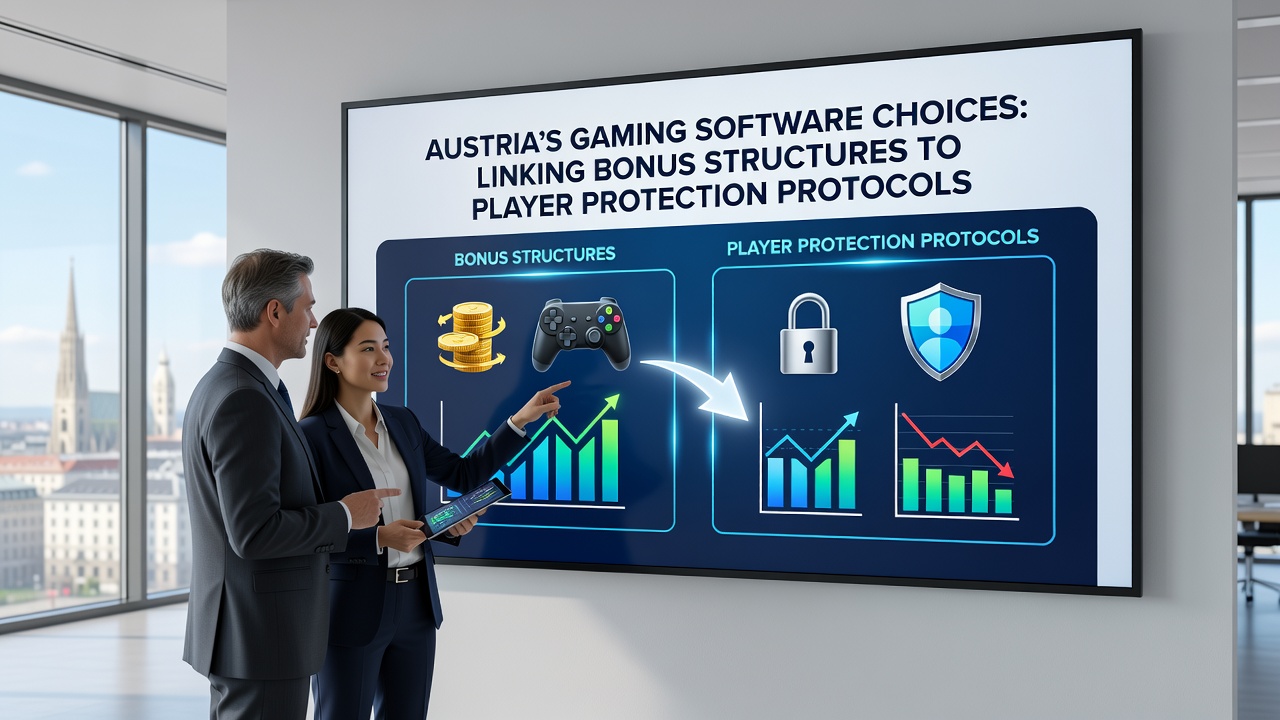
Austria's Gaming Software Choices Linking Bonus Structures to Player Protection Protocols
Austria maintains a tightly regulated online gaming sector where software providers must align bonus mechanisms with mandatory player protection features under national licensing rules and data shows these integrations have evolved steadily through 2025 into 2026, with several platforms completing updates by August 2026 to meet revised compliance benchmarks set by Austrian authorities.
Software selections in this market often prioritize providers that embed real-time monitoring tools directly into bonus delivery systems so that players receive promotional offers while their activity triggers automatic safeguards such as session limits and deposit caps when predefined thresholds are reached and this approach stems from legal requirements that tie commercial incentives to harm reduction protocols rather than treating them as separate functions.
Core Software Providers Active in Austria
Operators licensed in Austria commonly deploy platforms from established developers that support modular code allowing bonus engines to interface with responsible gaming modules and researchers have documented how these systems log player behavior across both promotional and standard play modes to flag patterns that might indicate risk while simultaneously unlocking or restricting bonus access based on those same indicators.
One study revealed that providers incorporating API connections between bonus ledgers and protection databases reduced instances of unchecked bonus chasing in simulated environments and data from regulatory audits indicate similar patterns appear in live Austrian deployments where software choices determine whether bonuses can be paused or adjusted automatically when protection triggers activate.
Bonus Structures and Their Technical Ties to Protections
Bonus designs in Austrian casinos typically include deposit matches, free spins and cashback offers yet each type now carries embedded conditions that reference player protection data streams so a welcome bonus might require completion of a verification step that also activates a cooling-off period option and software handles these linkages through unified player profiles that update across both reward and safety layers in real time.
Turns out these connections allow platforms to scale bonus values according to individual risk profiles generated by the same algorithms that monitor play duration and spending velocity while experts note that such dual-purpose coding satisfies Austrian licensing conditions that demand evidence of integrated safeguards before any promotional feature goes live.

Regulatory Context and Implementation Timelines
Austrian law requires that all licensed gaming software undergo testing for compliance with player protection standards and figures from oversight reports show an increase in approved titles that feature native bonus-protection linkages between 2024 and August 2026 when several major operators rolled out updated versions to align with enhanced reporting obligations.
According to information published by the Public Health Agency of Canada on responsible gambling frameworks, similar technical integrations have been observed in other jurisdictions where software architecture directly influences how bonuses interact with limit-setting tools and Austrian operators have adopted parallel approaches that embed these features at the code level rather than through after-market add-ons.
Practical Outcomes Observed in Deployed Systems
Case examples from Austrian platforms illustrate how a single software choice can determine whether a no-deposit bonus automatically feeds into a self-exclusion database or whether protection prompts appear during bonus wagering and observers note that providers offering flexible rule engines tend to dominate the market because they allow operators to meet both commercial goals and regulatory mandates without separate development cycles.
Research indicates that when bonus structures and protection protocols share the same data layer, response times for risk interventions shorten considerably and one industry report documented average reductions in high-risk sessions among users who engaged with linked bonus features compared with legacy systems that handled the two areas independently.
Conclusion
Austria's approach demonstrates that software architecture serves as the central mechanism connecting bonus structures to player protection protocols with ongoing refinements tracked through August 2026 showing continued emphasis on unified systems that satisfy both market demands and legal safeguards and additional insights appear in resources from the Australian Institute of Health and Welfare on gambling harm minimization strategies.