Unpacking the Integration of Responsible Play Mechanisms Within No Deposit Bonus Systems and Mobile Payment Options for Austrian Casino Users
Noah Franke · Aug 21, 2026
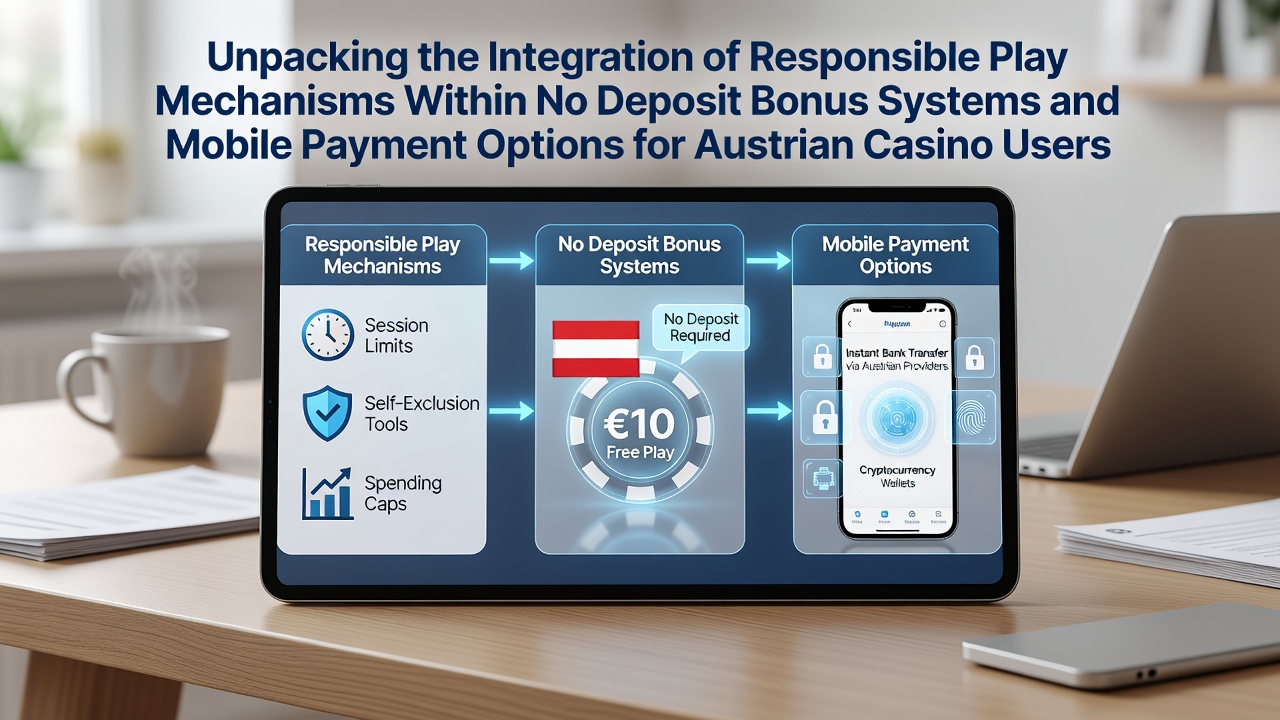
Unpacking the Integration of Responsible Play Mechanisms Within No Deposit Bonus Systems and Mobile Payment Options for Austrian Casino Users
Operators in Austria have incorporated responsible play features directly into no deposit bonus structures and mobile payment pathways, creating systems that track user activity from the moment a bonus activates. These mechanisms include automated session timers, spending caps tied to bonus credits, and instant alerts delivered through banking apps when activity approaches preset thresholds. Data from regulatory reviews show that such integrations help users maintain control while accessing promotional offers without initial deposits.
Core Elements of No Deposit Bonuses in Austrian Markets
No deposit bonuses in Austria typically arrive as free spins or small credit amounts that users claim through verified accounts, yet platforms now embed loss limits and reality checks at the point of activation. Studies indicate that when bonus systems flag potential overplay within the first thirty minutes, users respond by adjusting their pace or opting out of additional rounds. Austrian providers link these bonuses to player profiles that carry forward historical data, allowing the software to adjust available features based on prior behavior patterns.
Responsible Play Tools Embedded in Bonus Flows
Software developers have built mandatory cool-down periods into no deposit offers, so that after a set number of spins users receive prompts to pause before continuing. These prompts appear alongside mobile payment confirmations, creating a single interface where bonus terms and responsible play options sit side by side. Research from academic institutions in Canada reveals that combined interfaces reduce the likelihood of extended sessions by prompting users to review time spent before additional funds transfer. Observers note that the same systems also display remaining bonus wagering requirements next to current spend totals, giving users a clear view of progress without separate navigation.
Mobile Payment Integration and Built-in Safeguards
Mobile payment options used by Austrian casino users now carry responsible play layers that mirror those found in traditional banking apps, including daily transaction caps and instant notifications when limits near. When a user selects a payment method to claim or extend a no deposit bonus, the system cross-references the transaction against personal spending profiles established during account setup. Figures from industry reports in Australia demonstrate that such cross-referencing cuts impulse deposits by linking payment authorization directly to time and loss data collected during bonus play. And because many Austrian users rely on smartphones for both gaming and banking, the integration places controls inside familiar interfaces rather than requiring switches to separate responsible gambling portals.
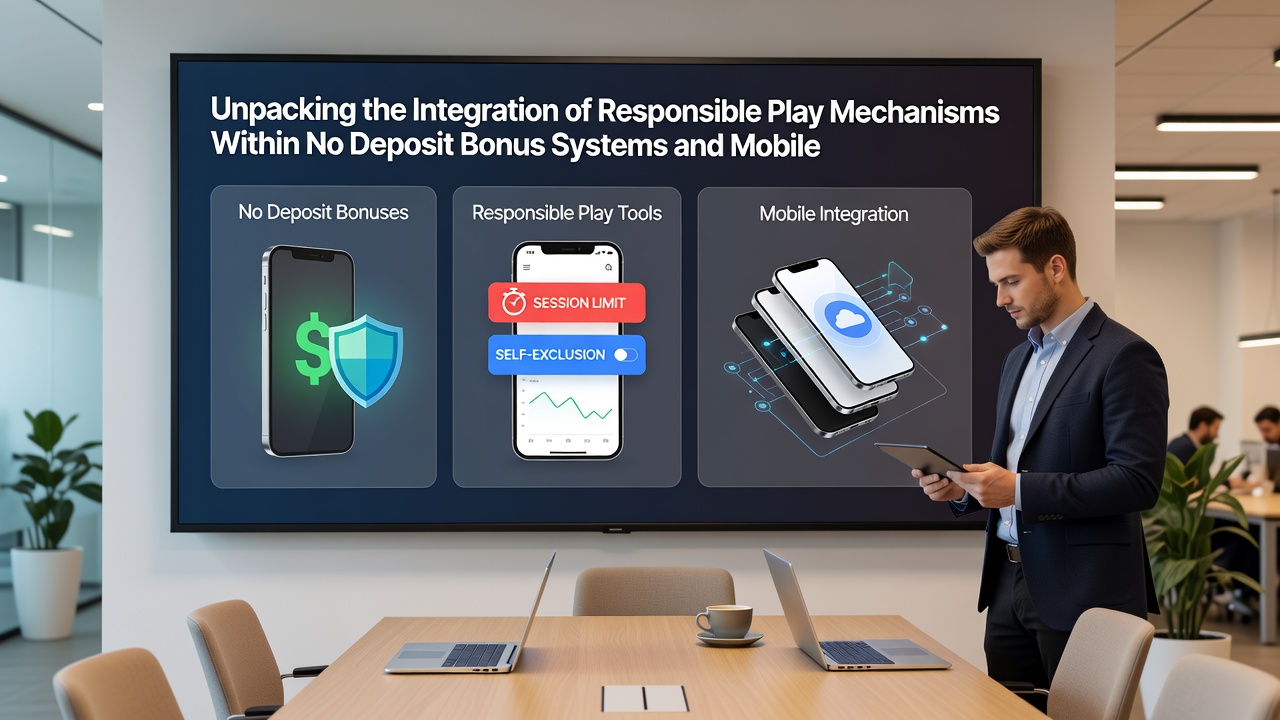
Payment providers have added optional self-exclusion toggles that can activate mid-session if activity patterns match risk indicators stored in the bonus tracking module. This means a user who reaches a daily loss limit while playing with no deposit credits sees an immediate block on further mobile transfers, even if the bonus itself remains active. European regulatory updates scheduled for rollout discussions in August 2026 are expected to standardize these blocks across member states, requiring uniform alert formats and data sharing between payment processors and casino platforms.
Data Sharing Between Systems and User Controls
Integration relies on secure data exchange that keeps user identity protected while allowing bonus engines and payment gateways to share limit information in real time. Users in Austria can set overarching parameters through a central dashboard that applies to both bonus rounds and deposit attempts, so a single monthly cap covers activity across multiple promotional offers. Those who've examined platform logs find that when payment systems detect repeated small transactions within short windows, they trigger additional verification steps before releasing further bonus-related funds. This approach keeps the process transparent and reduces friction for users who prefer to stay within self-imposed boundaries.
Regulatory Context for Austrian Operators
Austrian licensing requirements already mandate that operators demonstrate how responsible play features function inside promotional systems before approval. Compliance reports submitted to authorities detail the exact points where no deposit bonuses intersect with mobile payment checks, including screenshots of alert messages and logs of user responses. External analyses from research bodies in the United States highlight similar patterns in other regulated markets, where integrated tools correlate with lower rates of bonus-related disputes. Operators therefore maintain detailed records showing how often users engage with pause options or adjust limits during mobile sessions.
Practical Examples from Platform Implementations
One Austrian-facing platform introduced a feature that pauses no deposit free spins after fifteen minutes and requires confirmation through the linked mobile payment app before resuming. Another system displays current net position alongside remaining bonus value each time a user opens the cashier screen, making it simple to track outcomes without extra clicks. These implementations follow guidelines that encourage consistent presentation of information across devices, so desktop and mobile experiences deliver the same level of oversight.
Conclusion
The combination of responsible play mechanisms inside no deposit bonus systems and mobile payment options creates a layered environment for Austrian casino users that emphasizes ongoing monitoring rather than isolated checks. As platforms continue to refine data connections between bonuses and payments, the focus remains on delivering clear, immediate feedback that supports user decisions at every step. Projections around August 2026 point to further standardization of these features across European markets, which will likely expand the range of controls available through everyday mobile banking channels.